When you're hiring someone to build your website, you can choose from designers all over the world. But for a small business that serves a local area, staying close to home has some genuine, practical advantages — and here are six of them.
Key takeaways
- A local designer understands your area's tastes, culture and customers in a way research alone can't match.
- You get the option of in-person meetings, which builds trust and helps with complex projects.
- Working in the same time zone means faster support and urgent updates without an overnight wait.
- Choosing local keeps money in your community and can open doors to referrals and partnerships.
- Overseas can look cheaper, but you often trade away communication, understanding and easy ongoing help.
The internet makes it easy to hire a web designer from anywhere. That's genuinely useful — but it also means the "cheapest quote wins" trap is easy to fall into. When your customers are mostly local, though, the person building your site benefits from knowing the place you actually operate in. If your business is on the Gold Coast, a Gold Coast designer simply understands your market better than someone on the other side of the world.
None of this is about writing off overseas talent — there are brilliant developers everywhere. It's about weighing up what really matters for a small local business. Here's where hiring close to home tends to pay off.
1. They understand local values and culture
Travel anywhere in Australia and you'll notice each area has its own character. Melbourne, Sydney and the sunny cosmopolitan feel of Queensland each carry a distinct identity, shaped by the locals and the businesses that serve them.
A local web designer tends to just get the values, preferences and small cultural cues of your area, and can weave them into your design and tone. If you want your brand to genuinely resonate with the people nearby — and feel like it belongs — that instinctive local understanding is hard to fake from a distance.
2. You can meet face to face
Video calls have made remote work easy, and plenty of great projects run entirely online. But many business owners still value a real, in-person conversation — and there's good reason for that.
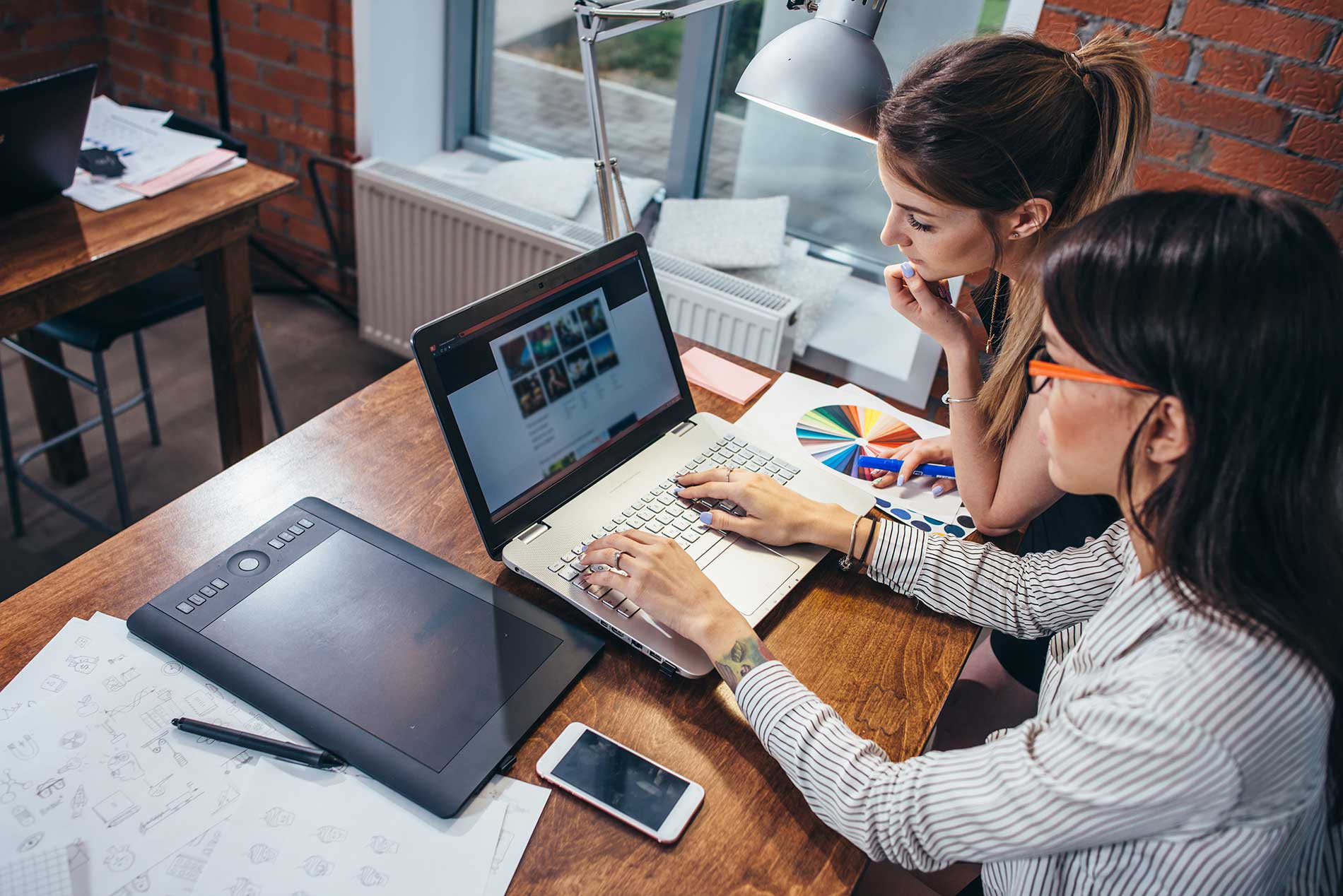
Face-to-face meetings usually mean clearer communication, fewer crossed wires and a stronger working relationship. Sitting down together helps build trust and makes it easier to think through the more strategic parts of a project. If yours is complex or needs close collaboration, being able to meet a local designer in person can be more efficient and, often, more cost-effective in the long run.
3. Timely support, no time-zone headaches
A local developer can usually work more closely to your timeline — handy when something's urgent. And once your site is live, ongoing support and maintenance are far easier when you're in the same time zone.
Picture spotting a problem on your website, or needing a quick update before a big day, then having to wait hours for your developer on the other side of the world to start work. Working with someone in your own region takes that frustration off the table.
4. They know your local market
A local designer often has a real feel for the local market, culture and what customers there respond to — insight an offshore team simply can't gather from a screen. That matters most when you're targeting a specific local audience.
An overseas developer usually has to rely on internet research to understand your competitors and customers. Even done carefully, that's no substitute for first-hand experience of a community. Somewhere like the Gold Coast has its own market rhythm, shaped by the mix of businesses and how people shop there. A local designer is best placed to build a site tailored to that — which is especially important if most of your trade is local.
5. You invest back into your community
Choosing a local designer keeps your money circulating in your own area rather than sending it offshore, and there's a quiet sense of pride in that too.
Supporting local businesses has become a lasting habit rather than a passing fad — people increasingly like knowing where their money goes. The same logic that makes buying local produce feel good applies to your web design: you're helping your local economy while getting your own work done.
6. You open up networking opportunities
Web design is really a partnership, and partnerships have a way of leading to unexpected opportunities. Because designers work with lots of different businesses, they naturally build connections across the local community.
Build a good relationship with the team looking after your site, and they'll often be happy to point valuable referrals your way, which can lead to further collaborations down the track. It's not guaranteed — but your odds of expanding your local network are far better working with a nearby designer than hiring a one-off gig on a global freelance platform. Back local talent, and you strengthen your own position in the local business community at the same time.
The bottom line
Globalisation has its place, but local expertise never really loses its value — especially when you want a website that reflects your identity and speaks to your primary audience, the community around you.
If you're on the hunt for a designer, it's worth narrowing your search to your own patch. There's no shortage of talented, creative people locally who'd love to see your business grow alongside theirs — and who bring that home-ground advantage to the table.
Local web design FAQs
The questions small business owners weigh up when deciding between local and overseas web design.
For most small businesses that serve a local area, a local designer is the safer bet. They understand your market and customers, work in your time zone, and can meet in person if needed. Overseas can be cheaper upfront, but you often trade away communication, understanding of your audience and easy ongoing support.
It helps more than people expect. A designer who knows your area understands local tastes, competitors and how customers there actually behave. That first-hand knowledge tends to produce a website that resonates, rather than a generic template.
The common ones are time-zone delays when you need an urgent fix, communication gaps, and reliance on research rather than real knowledge of your market. None are guaranteed, but they're worth weighing up if you'll need ongoing updates and support.
Not always — plenty of great work happens over video calls and email. But for complex projects, or if you simply prefer a personal touch, the option to sit down together can build trust and speed things along. A local designer gives you that choice.